
Computer Organization refers to the operational structure and functional behavior of a computer system. It explains how different hardware components such as the CPU, memory, input/output devices, and storage units work together to execute instructions. The Central Processing Unit (CPU) performs arithmetic and logical operations using the Arithmetic Logic Unit (ALU) and controls activities through the Control Unit (CU). Memory stores data and instructions temporarily or permanently. Input devices provide data to the system, while output devices display results. Computer organization focuses on data flow, instruction execution, control signals, and hardware interactions to ensure efficient system performance.
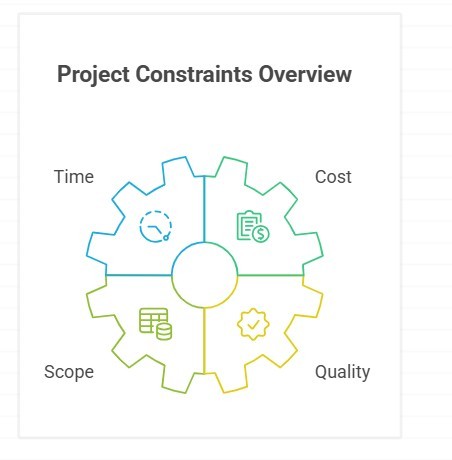
This course provides learners with the knowledge, tools, and techniques required to effectively plan, execute, and manage projects across industries. It covers the fundamental principles of project management, best practices, and modern methodologies to ensure successful project delivery within scope, time, and budget.
Key Learning Outcomes
-
Understand the fundamentals of project management and its importance in organizations.
-
Learn the Project Life Cycle: initiation, planning, execution, monitoring & controlling, and closure.
-
Master project scope, time, cost, quality, risk, and stakeholder management.
-
Develop leadership, communication, and team management skills.
-
Learn about project documentation, reporting, and evaluation.
Target Audience
-
Students, business professionals, and entrepreneurs.
Outcome
By the end of the course, participants will have the skills to manage projects efficiently, balance competing demands, and deliver successful outcomes aligned with organizational goals.
- Teacher: Dr. Ajay Dutta